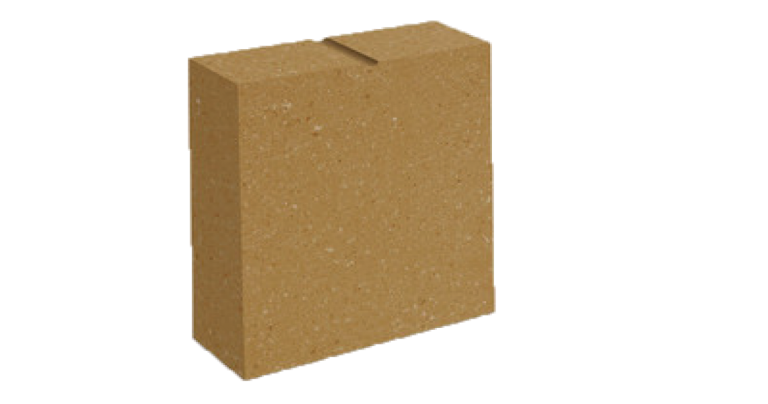
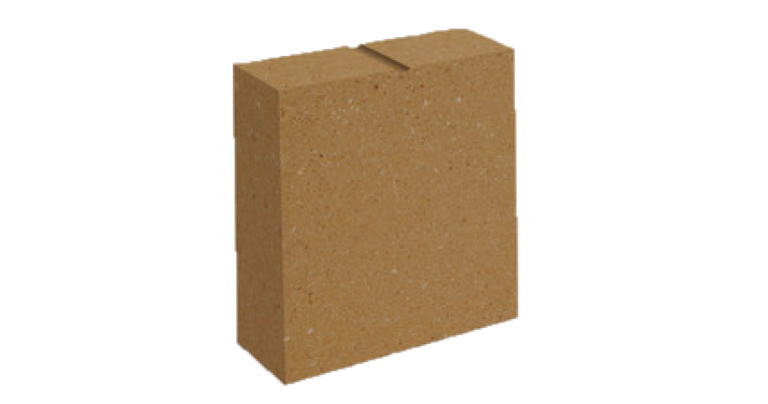
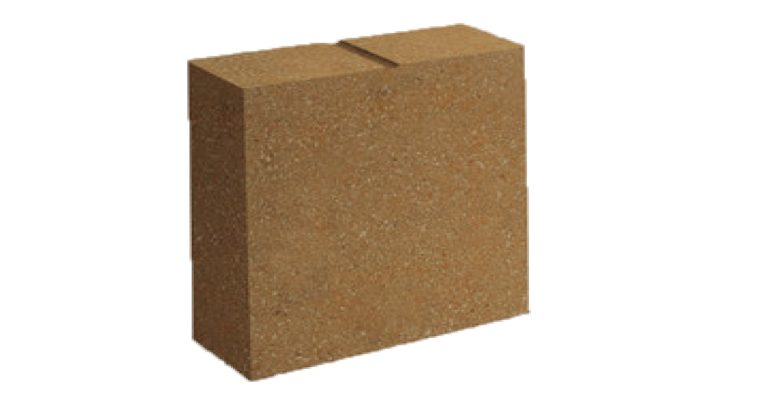
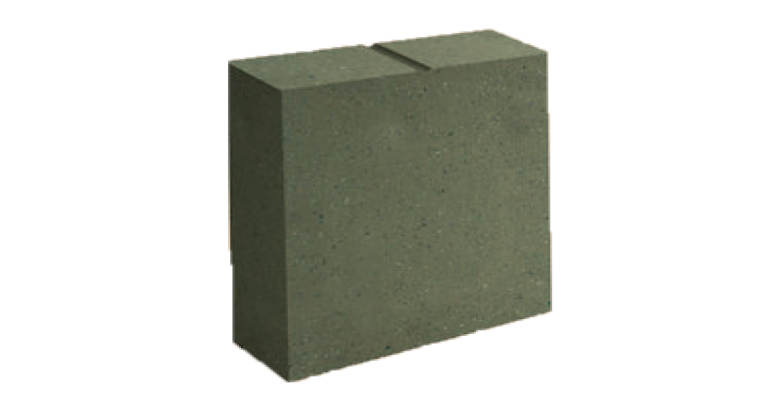
INTEGRATED REFRACTORY SOLUTION TO THE CEMENT INDUSTRY
A complete range of refractories for the cement industry is offered by MCC. These are “Reliable Refractories” consisting of SELFFLOW castables and GUNNING products, Ultra low cement castables/gun mixes, insulating and dense castables/gun mixes, plastic ramming mixes, rapid heat-up range.
- Refractories
Entire product line of refractory materials:Bricks,castables and high temperature insulation products for any application in your industry. - Lining Engineering
Refractory design based on a worldwide and long time experience for kiln systems of any capacity. - Local agents
Worldwide active and unusually close-knit sales and service network.Agents and representatives in your country. Our agent speaks your language.
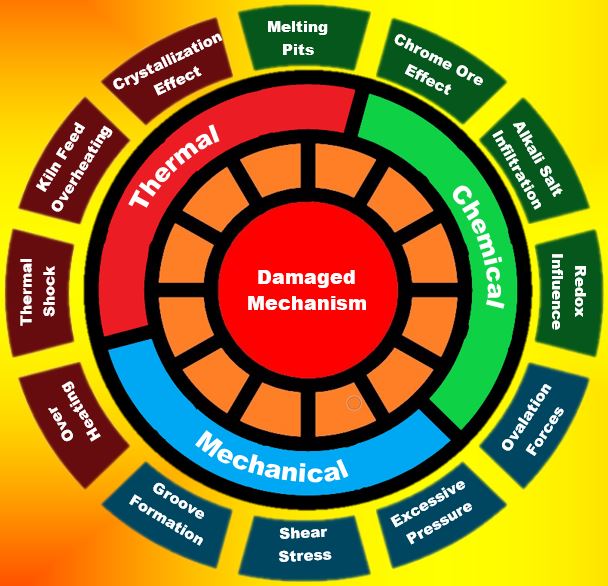
CEMENT INDUSTRY DAMAGE MECHANISMS
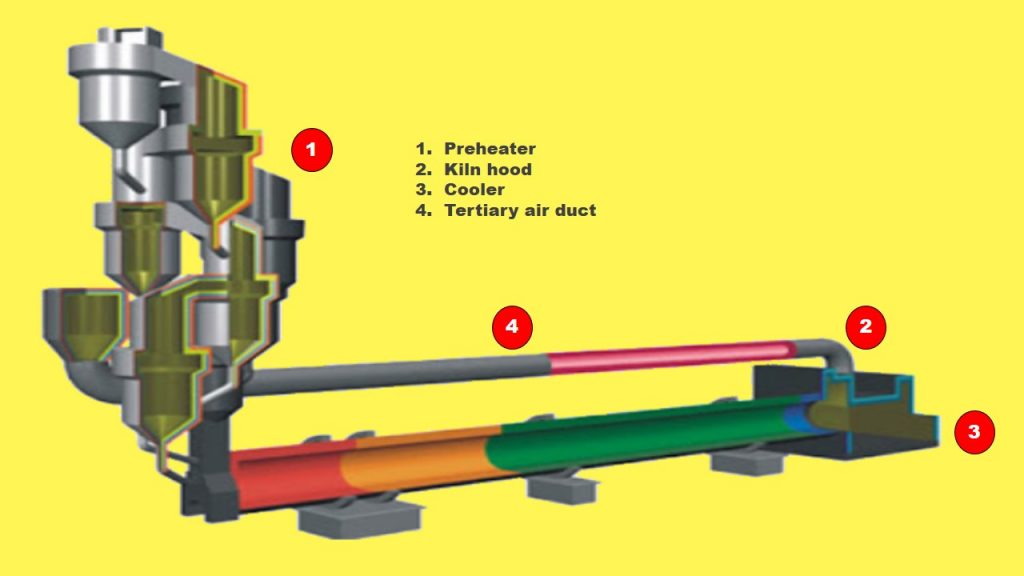
Damage mechanisms found in the cement industry includes process unit PFD’s.These PFD’s show the location in the unit where particular damage mechanisms are most likely to be found.
Affected units/Equipment
1.Preheater/Chain Zone
2.Calciner
3.Tertiary Air Duct
4.Kiln hood
5.Burner Lance
6.Cooler
7.Discharge Zone
The relationship between service stresses in process equipments and the important properties of refractory bricks during service form the basic for damaged refractory assessment based on their appearance and morphology of damage. Generally, In order to determine the damage mechanisms we classified into (a) Thermal Stress ; (b) Thermo-technical ; (c) Mechanical ; (d) Chemical etc.
Preheaters are used industrial dry kiln cement production plants to heat the raw mix and drive off carbon dioxide and water before it is fed into the kiln. An analytical model of a generalized four-stage suspension cyclone preheater system is presented.
The combustion air required for the calciner is diverted from the kiln hood by means of the tertiary air duct which bypasses the kiln. Various flaps and gate valves are used to control the tertiary airflow.
Cooler usually operation after the burning zone and up until the clinker’s eventual delivery to the cement mill can also have a significant effect on the quality of cement produced.
Kiln hood normally design has complicated geometry and brick installation is difficult, a good option is monolithic lining reinforced withe ceramic anchors.
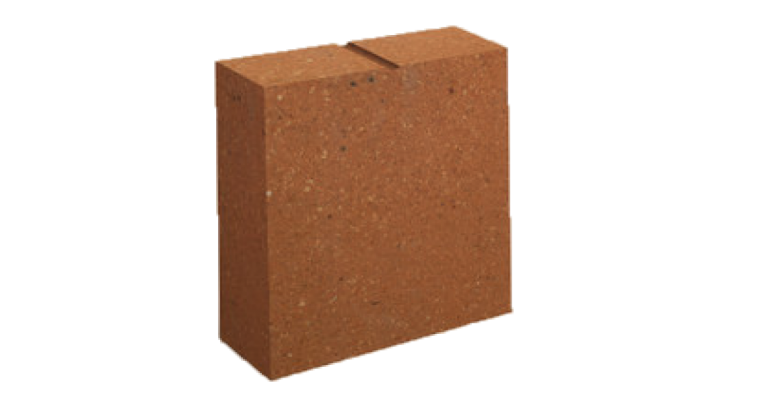
Basic Bricks-Chrome ore free bricks
Magnesia Spinel High Fired Bricks
Synthesized stoichiometric Magnesium Aluminate spinel was introduced to the Magnesite brick composition in the range of 5 to 28 wt. %. … 20% mixed of spinel bond and high thermal shock resistance. They are manufactured on the basic of extremely low SiO2 and Fe2O3 magnesia and spinel sinter. it is suited for changing operating conditions in the burning zone of cement rotary kilns.
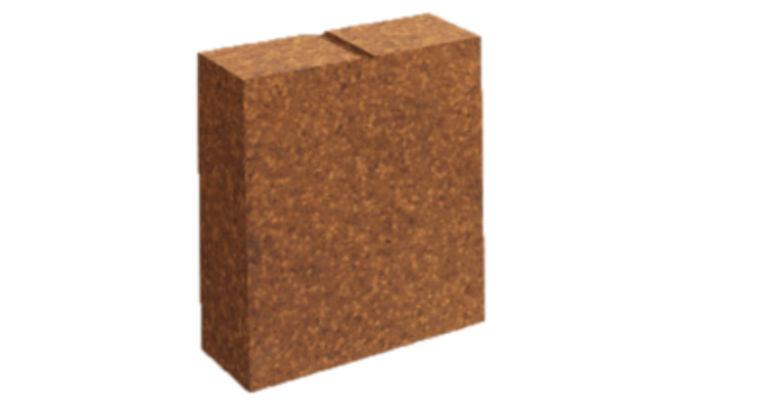
Magnesia Fused Spinel High Fired Bricks
These bricks are manufactured out of Production process: MgAl2O4 spinels are synthetically produced by fusing caustic magnesia and alumina or bauxite in briquetted form in the required ratios in electric arc furnaces at approximately, Spinel increases the thermal shock resistance and is resistant against slag corrosion.
Magnesia Zirconium Bricks
Based on the magnesia refractory material, ZrO2 and magnesium aluminate spinel are mixed, ZrO2 allow isolate low-melting phases such as CaO and SiO2 in a liquid phase, strongly improved material corrosion resistance ; enhance thermal shock resistance ; corrosion resistance and excellent anti-stripping features.
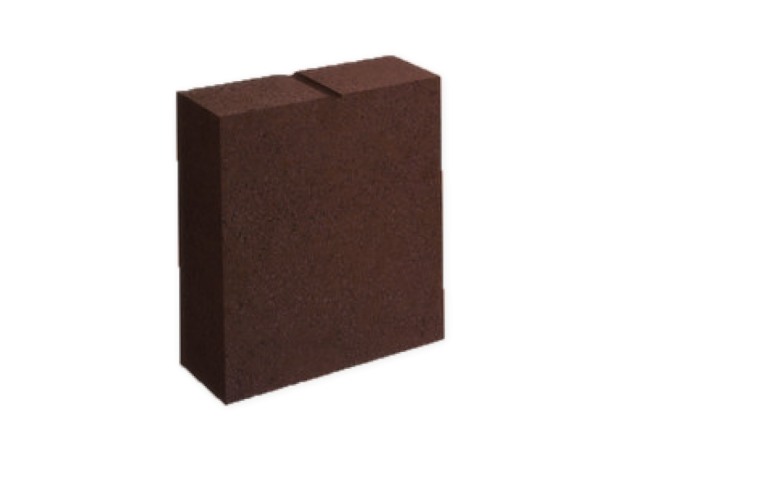
Magnesia Chrome High-Fired Bricks
Magnesia Chrome Bricks
is a high-fired bricks manufactured from very pure seawater sinter with a MgO content of approximately 98% and specially selected low-silicate chrome ores and chrome ore concentrates with the bricks being fired in a tunnel kiln at temperatures in the range 1800⁰C, with high-fired bricks a special bonding occurs.
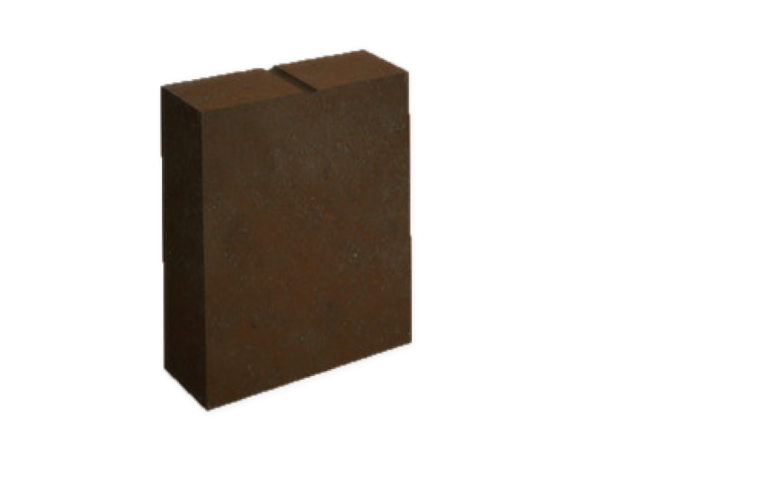
Magnesia Chrome Extra Bricks
is a high-fired magnesia-chrome special bricks suited for transition zones in cEment rotary kilns subjected to high thermal stress or for the lining of dolomite and magnesia rotary kilns. “Extra”indicates improved application characteristics , eg high pressure flexibility, that is suitability for changing operating conditions in rotary kilns.
Dense High Alumina Bricks
65% Dense High Alumina Bricks
These bricks are manufactured out of premium-grade raw-materials and are subjected to special firing depending on their composition and service area. The increasing demands placed on high-alumina products have resulted in an essential improvement of their bonding phase. and material based on natural raw materials such as calcined bauxite, kaolin and mixture of other raw materials, greater chemical purity of the used raw materials and the chosen bonding phases it is necessary to subject these bricks to a sufficient long and high firing process up to 1800⁰C.
75% Dense High Alumina Bricks
These bricks are manufactured out of premium-grade raw-materials and are subjected to special firing depending on their composition and service area. The increasing demands placed on high-alumina products have resulted in an essential improvement of their bonding phase. and material based on natural raw materials such as calcined bauxite, mullite; sintered mullite and mixture of other raw materials, greater chemical purity of the used raw materials and the chosen bonding phases it is necessary to subject these bricks to a sufficient long and high firing process up to 1800⁰C.
85% Dense High Alumina Bricks
These bricks are manufactured out of premium-grade raw-materials and are subjected to special firing depending on their composition and service area. The increasing demands placed on high-alumina products have resulted in an essential improvement of their bonding phase. and material based on natural raw materials such as sintered corundum,fused mullite,fused corundum; sillimanite and mixed with other raw materials, greater chemical purity of the used raw materials and the chosen bonding phases it is necessary to subject these bricks to a sufficient long and high firing process up to 1800⁰C.
High Alumina Bricks added with SiC
These bricks are manufactured out of premium-grade type of silicon carbide. The increasing demands placed on specific application bricks has been developed. A very significant characteristic of this group of Sic added is its high thermal conductivity,According to the requirements of the application, grades with graduated thermal conductivity were developed by means of variating the Sic content.The thermal shock resistance is excellent in addition they are mechanically very strong. suitable for the area subject to high alkali statical load, preheater,kiln hood and cooler.
Mullite based added with SiC
These bricks are manufactured out of premium-grade type of sintered mullite and silicon carbide. The increasing demands placed on specific application bricks has been developed. A very significant characteristic of this group is its flexibility of thermal pressure while with improved statical load, suitable for the area Kiln outlet and cooler inlet.
Andalusite
These bricks are manufactured out of premium-grade type of non-contaminated andalusite from natural sources . Shaping takes place by hydraulic high pressure presses by vibration casting.Andalusite grades with excellent pressure flow behaviour, at particularly high temperatures, and an excellent thermal shock resistance are achieved by especially designed bonds and defined and optimized firing,suitable for the area calciner, kiln hood, lime sludge kiln, combustion chamber, cooler.
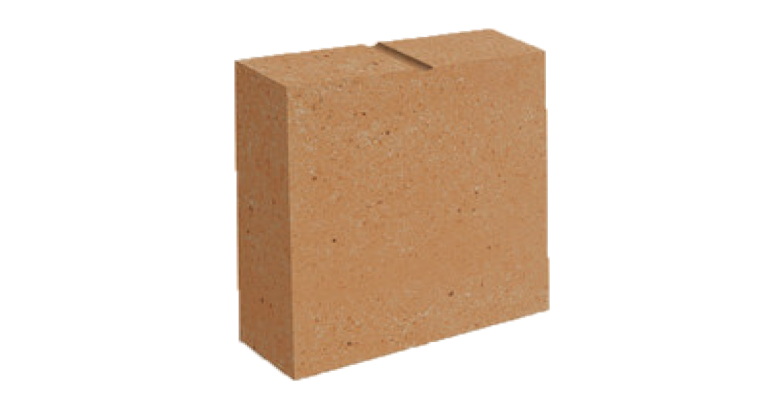
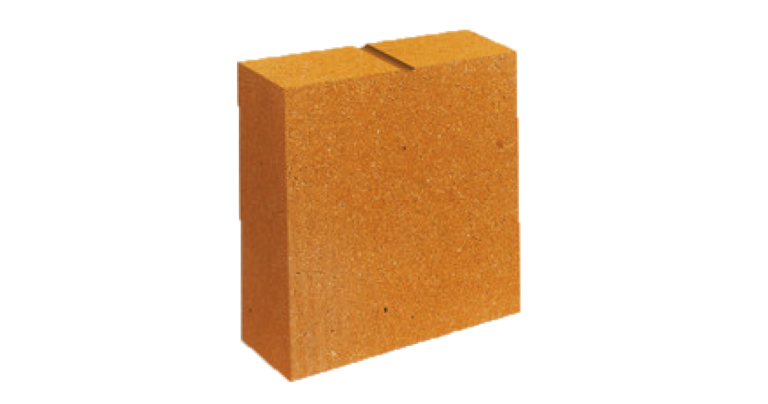
Fireclay Bricks
High-duty Fireclay Bricks
Primary consists essentially of hydrated aluminum silicate with minor proportions of other minerals.As defined by the ASTM,there are 5 standard classes of fireclay brick:superduty;high-duty,medium-duty,low-duty and semi silica.Widely used in large quantities and for a wide range of applications.BEcause of theri greater resistance to themal shock,high-duty fireclay brick can often be sued with better economy than medium duty brick for the linings of furnaces operated at moderate temperatures over long periods of time but subject to frequent shutdowns.