Copper,Lead,Zinc,Tin,
Nickel & Precious Metals

Refining

Smelting

Slag Cleaning

Converting

Refining

SMELTING | SLAG CLEANING | CONVERTING | REFINING

Furnace used mainly for the production of copper and lead.
Process consisting of submerging a steel lance called ISASMELT that injects oxygen and gas producing a turbulence in the furnace tub in which temperatures of between 1,350ºC and 1,450ºC are achieved.
It needs a refractory of great resistance to abrasion, produced by the high agitation of the broth, as well as the chemical attack produced by the slag.

A large capacity Flash furnace was developed by Finland Outokumpu. The main characteristics of this type furnaces was low energy consumption,high production volume,highly automation, high recovery rate of sulphur, and desulphur easily at the elevated temperature, Widely used in modern copper & nickel plant. This furnace requires Mag- Chrome co-sinters with high degree of spinel formation and direct bonding.
This is a smelting furnace used in copper production process of roasted calcine and raw copper sulfide concentrate, Exactly facing similar operating atmosphere of thermo-mechanical stresses as a flash smelter. null
From the start of its development, the Mitsubishi Process has aimed at eliminating fugitive emissions from furnaces and ladles. Thus the Mitsubishi furnace arrangement consists of three stationary furnaces, connected by enclosed launders, continuously producing blister copper from concentrates

Furnace used mainly for the production of copper and lead.
Process consisting of submerging a steel lance called ISASMELT that injects oxygen and gas producing a turbulence in the furnace tub in which temperatures of between 1,350ºC and 1,450ºC are achieved.
It needs a refractory of great resistance to abrasion, produced by the high agitation of the broth, as well as the chemical attack produced by the slag.

Basically involves reaction of solidified matte particles with industrial grade oxygen, in a flash furnace, to produce blister copper and a small percentage of slag which can be recycled to the primary smelting furnace. Flash Converter
Typical process is a continuous copper smelting and converting process comprising three steps—smelting of raw materials by injection, separation of slag and matte, and direct converting of high-grade matte.

The Kaldo type converted is commonly known as a Top-Blown Rotary Converter (TBRC) in non-ferrous metal smelting terminology. By the 1970s the Kaldo furnace was in common use for copper and nickel
smelting.
Top Blown Rotary Converter

Mostly found in Chile and the world. The objective of the conversion is to remove the iron, sulfur and other defects in the copper production. This is obtained when the melted axis is oxidated with air enriched with oxygen and using silica as flux.
The configuration of teniente converter is a horizontal steel cylinder with submerged tuyere. Primary used to produce blister copper or pure grade matte in a continuous process combined with optimized energy balance.

Butane gas is inject into the anode furnace as a reductant to eliminate the oxygen in the blister copper, which is refined to a purity of approximately 99.5%.
Relevant Products

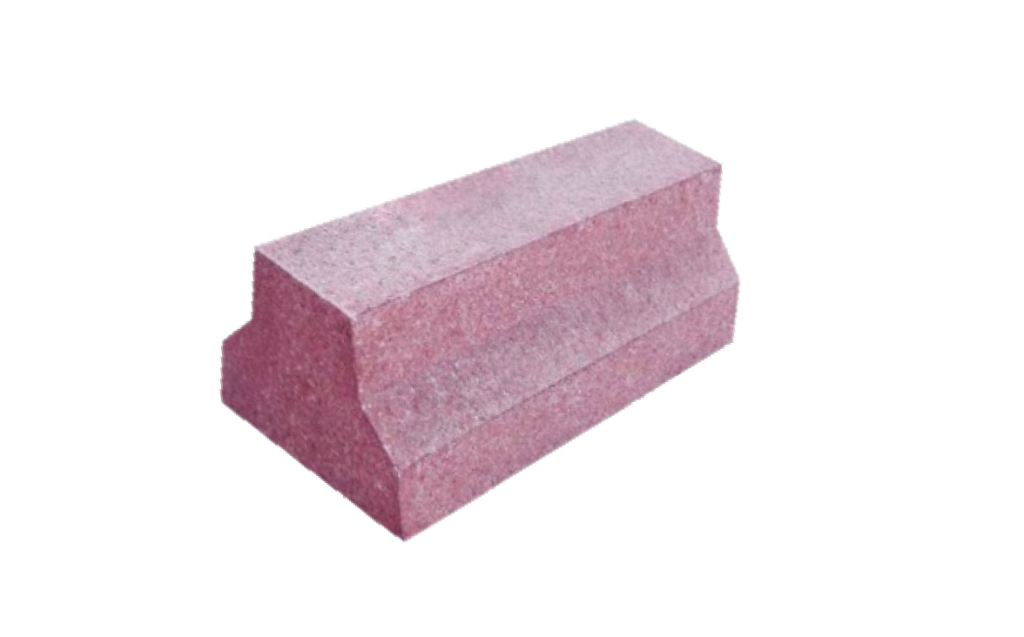
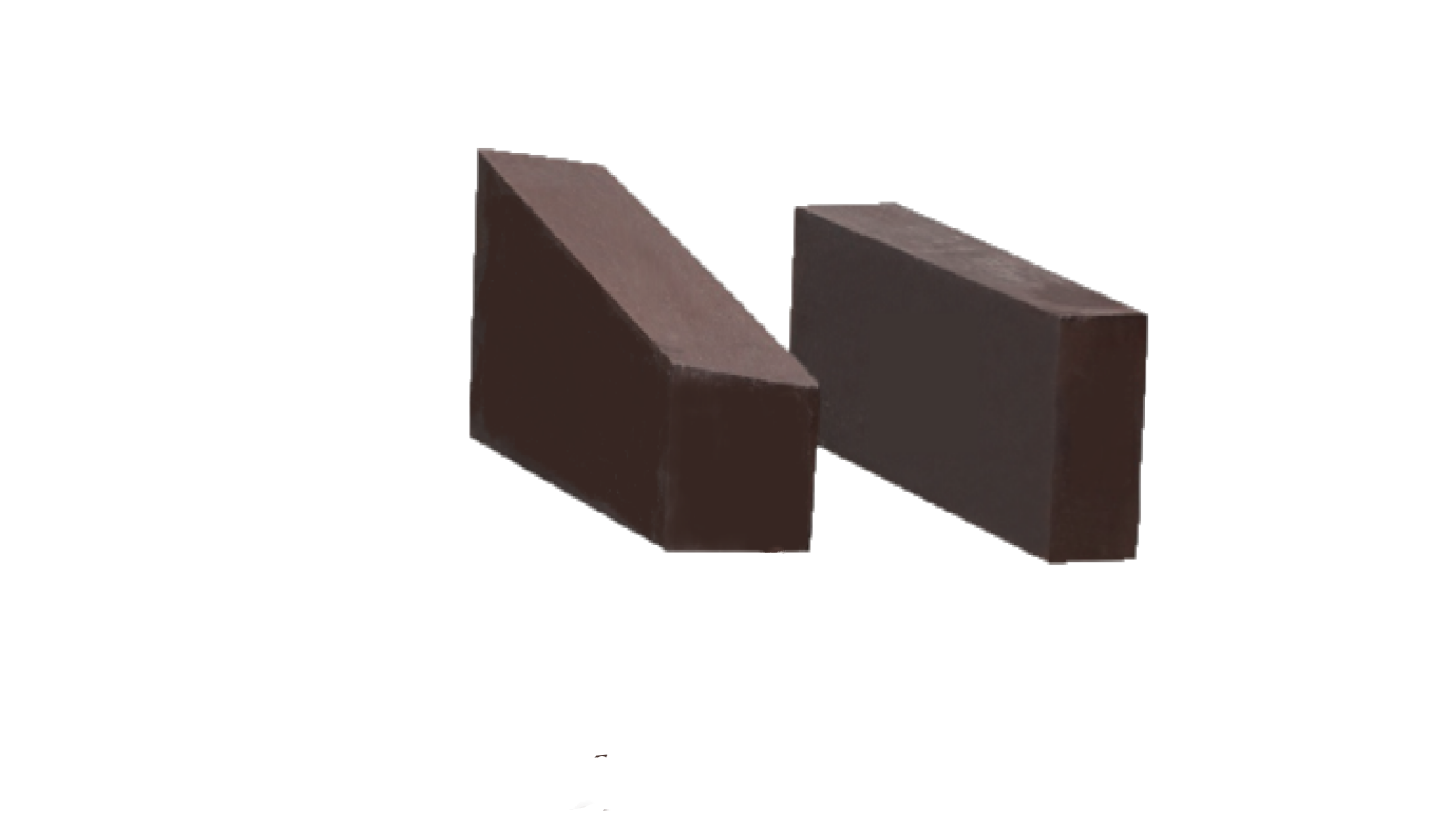
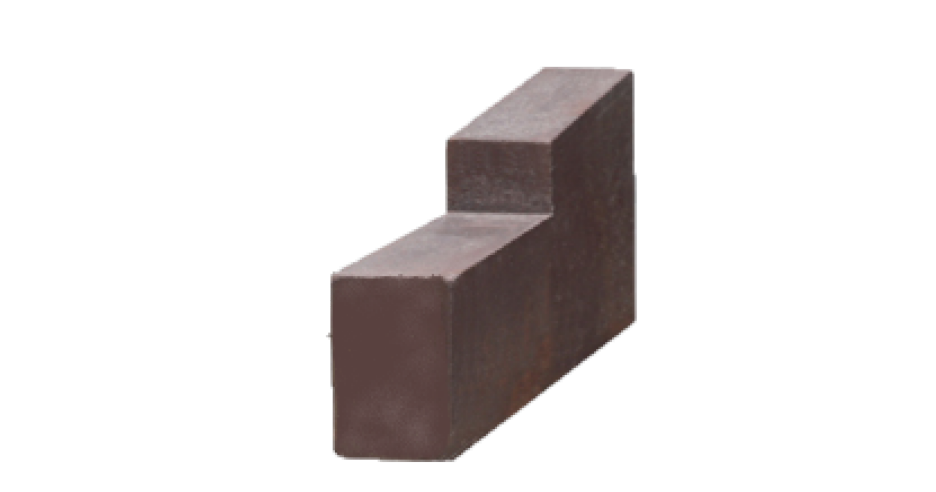
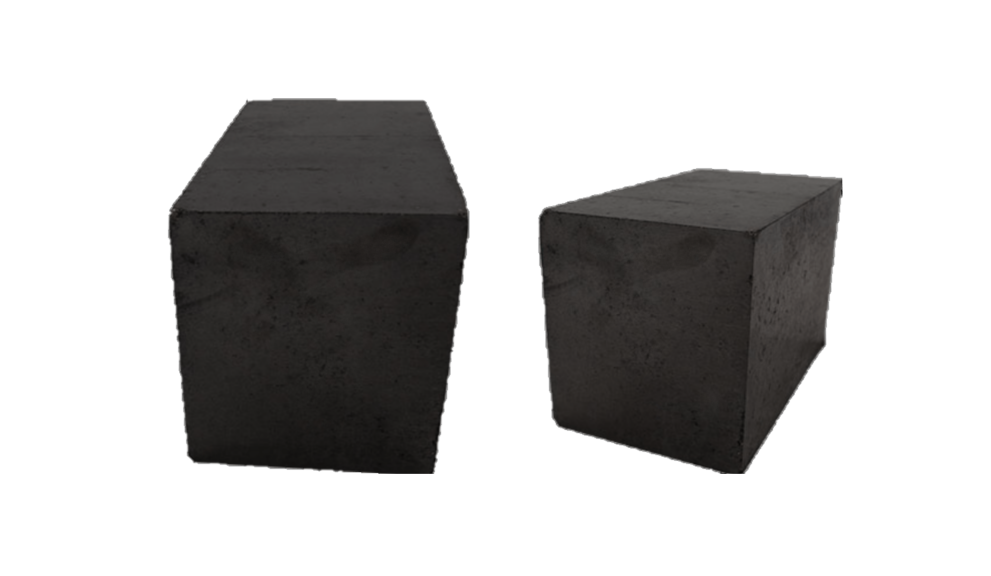
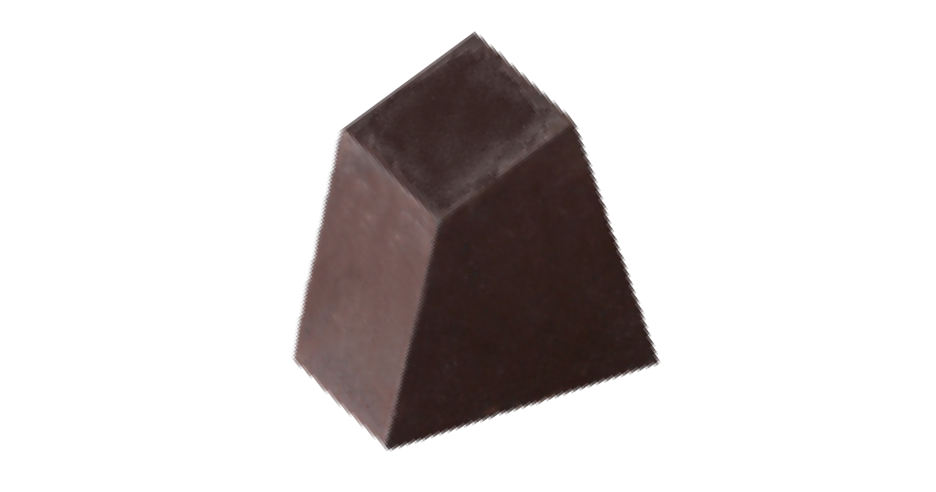
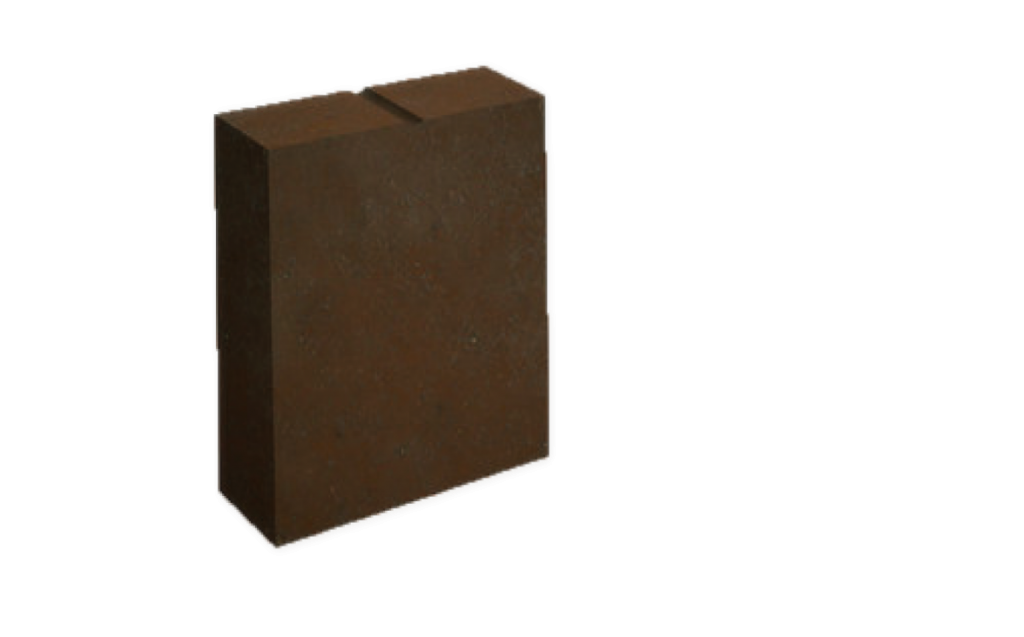
Direct Bonded Magnesia Chrome Brick

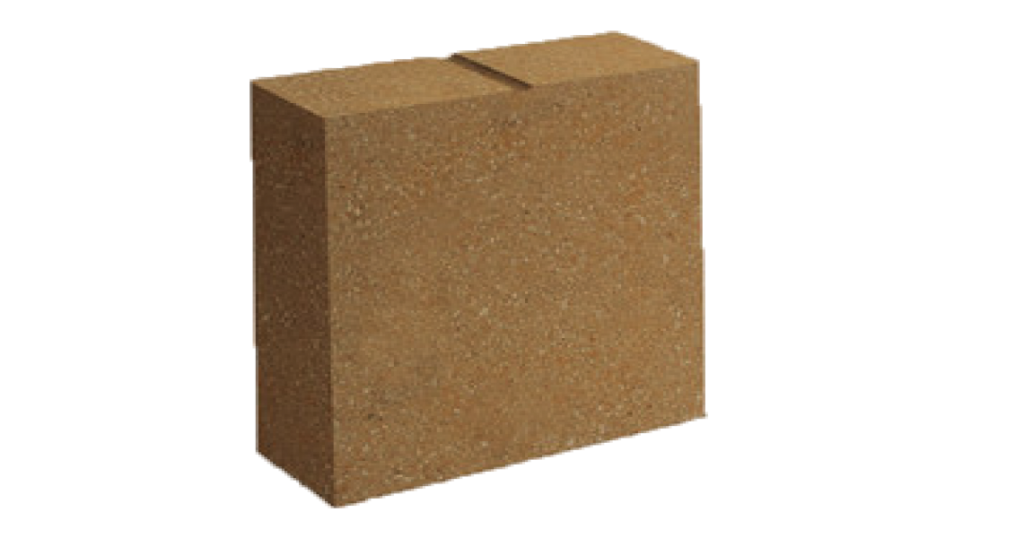
Alumina-Chrome Brick

Heavy Chrome Brick

Alumina-SiC–Carbon bricks

Ultra-low cement based castables and mortars

Special Products

Damage Mechanisms

  • Excellent resistant to high turbulent load abrasion, erosion and chemical attack
  • Excellent resistant to dynamic chemical attack and thermal fluctuation pressure from slag penetration at the upper level of the furnace.
  • superior resistance to sulfur dioxide attack.