REFRACTORIES FOR POWER PLANT
AND
WASTE TO ENERGY

COMBUSTION | PYROLYSIS | GASIFICATION | PLASMA ARC

In the cyclone the heavier particles separate from the gas and falls to the hopper of the cyclone. This returns to the furnace for recirculation. Hence the name Circulating Fluidized Bed combustion. The hot gases from the cyclone pass to the heat transfer surfaces and go out of the boiler.
Gasification explore potential value of traditional fuels such as coal, wood, and oil. Moreover, gasification can unlock the energy value of waste materials such as waste wood from construction, forest, lumber, and paper industries, as well as household waste from towns and cities.
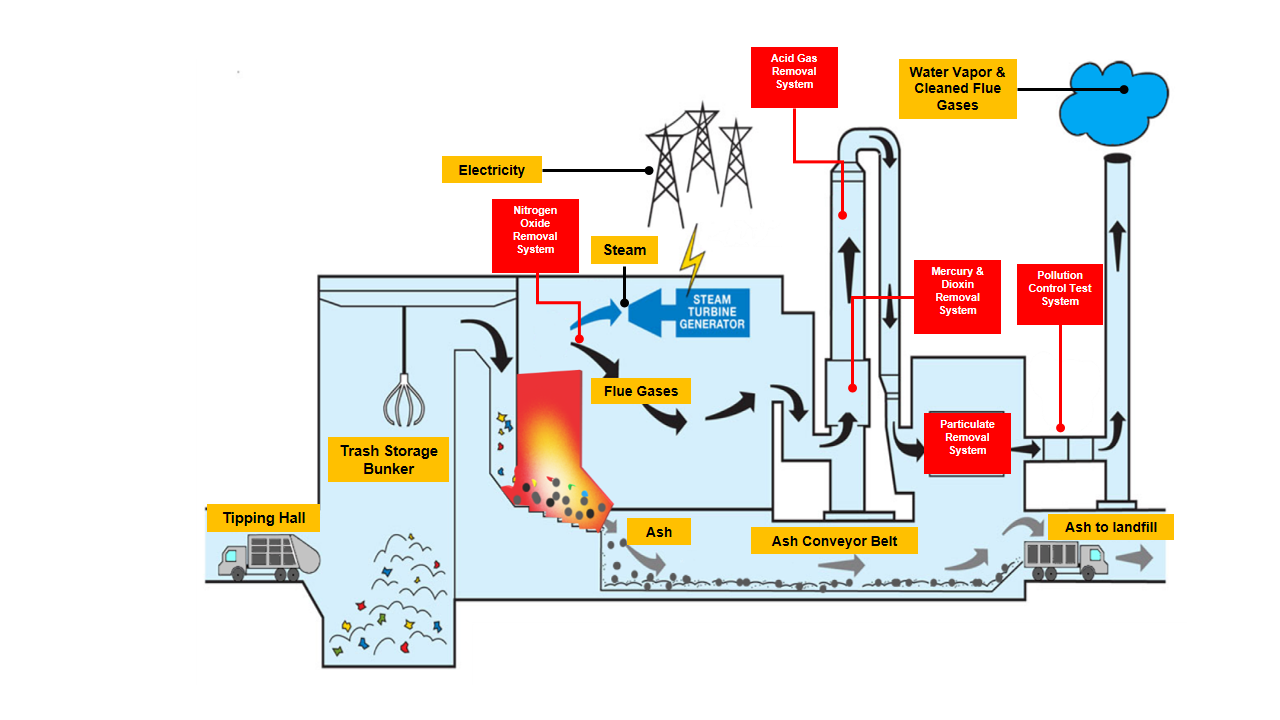
Municipal Incinerators. Incinerators are an alternative option to the disposal of general municipal garbage in solid-waste disposal sites. Municipal incinerators accept organic wastes and combust them under controlled conditions.
Its purpose is to generate hot gas, the carrier of energy to the turbine. The generation of gas by the combustion chamber takes place as a result of fuel combustion in the compressed air coming from the compressor.
A Direct Fired Thermal Oxidizer, eliminate  VOC and HAP, that are created through chemical processes found in industrial exhaust streams. The Direct Fired Thermal Oxidizer eliminate these emissions through the process of combustion.

Relevant Products

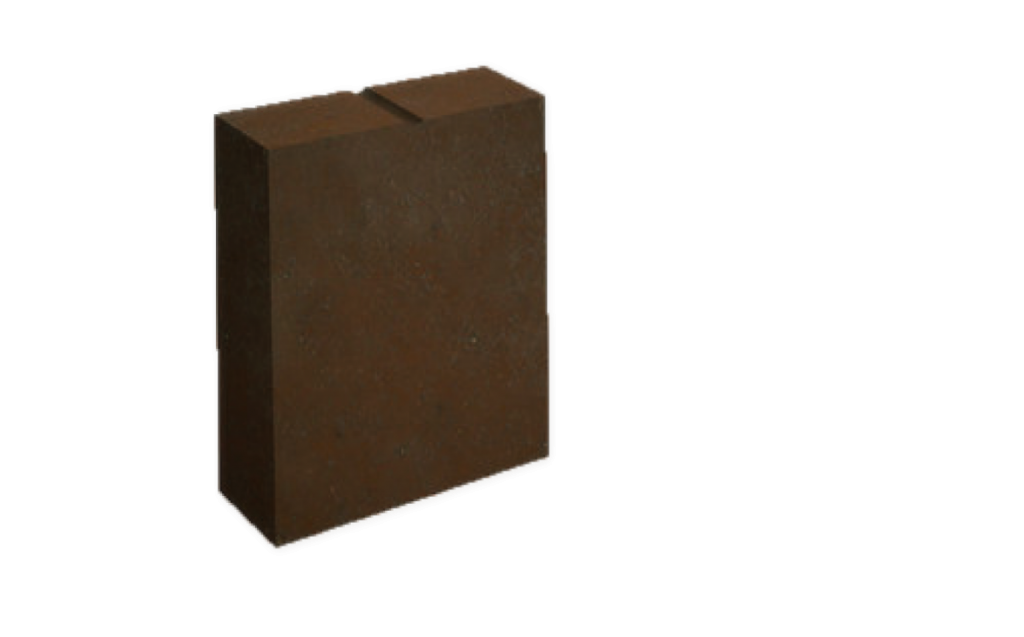
Direct Bonded Magnesia Chrome Brick

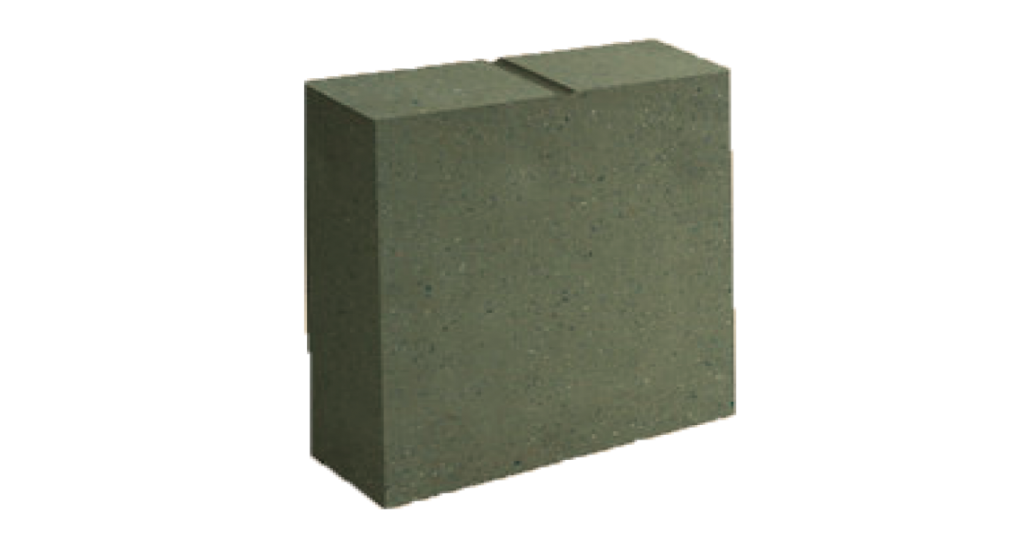
Silicon–Carbide brick

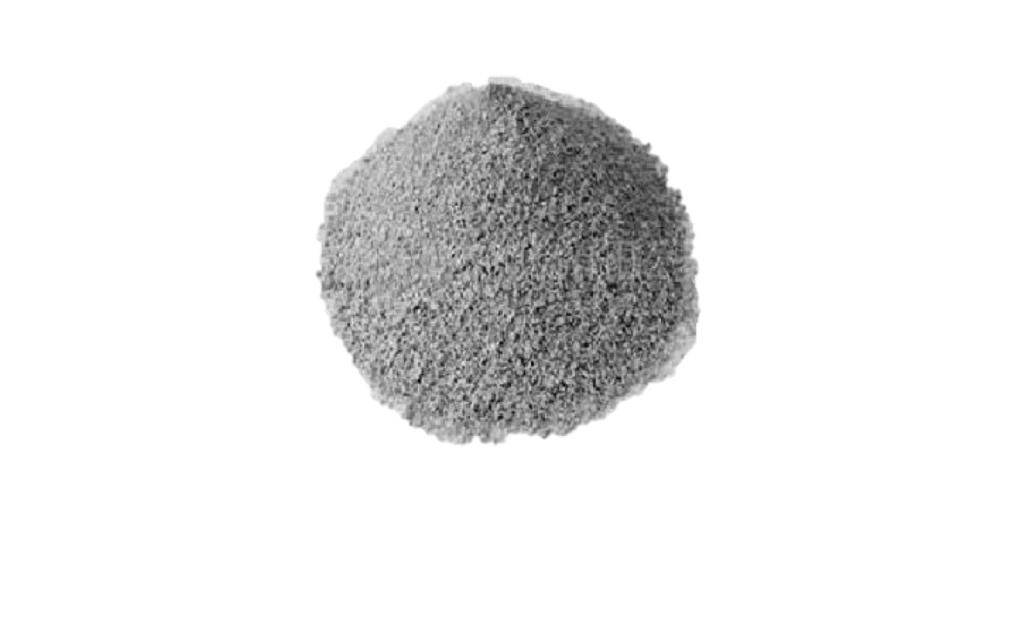
Ultra-low cement based castables and mortars

Damage Mechanisms

  • Cycling a boiler can cause internal stress within the refractory, which weakens the strength of the material and reduces the life expectancy of the lining.
  • Rapid start up and shut downs can cause internal stress within the refractory, which weakens the strength of the material and reduces the life expectancy of the lining.
  • Making a fuel change for generation cost savings without first doing a complete fuel and refractory analysis study will increase the risk of a refractory failure.
  • The moisture content in the fuel can affect refractory materials. High moisture content, or the moisture content in the fuel combined with a reducing atmosphere, can cause a separation of the silicon carbide base material (grain). This separation occurs when the total percentage of the moisture content found in the fuel is greater than 15 percent, or when the combined total percentage of the moisture content in the coal and the reducing atmosphere percentage is greater than 15 percent. Therefore, if the boiler environment were similar to this example, then a high-alumina product would be preferred to a silicon carbide material.
  • Certain amounts of iron oxide, potassium, sulfur or vanadium found in the fuel, slag or ash, react with cements (calcium-aluminate). This is especially true when a reducing atmosphere exists inside the furnace. Therefore, if the boiler environment were similar to this example, then a phosphate-bonded refractory material would be preferred to a cement-bonded material.
  • Certain startup fuel oils may contain vanadium. Vanadium reacts with the cements (silica and lime) of a conventional refractory. A chemical spall will occur at the surface of the refractory and will reduce the longevity of the lining significantly. Therefore, if the startup fuel oil were similar to this example, then a low-cement or non-cement refractory material would be preferred.