A refining process consisting of reactor and regenerator vessels and interconnecting piping in which particulate catalyst is circulated at elevated temperatures to upgrade low-value feed stock to high value products.such as heating oil,gasoline components, and chemical feedstocks.

The vessel in which cracking reactions occur or are completed and product gases are separated from coke and/or catalyst particulate.Usually operates at 480C~540C.

A vessels in which coke and residual hydrocarbons are burned off of the catalyst and the flue gas is then separated from the catalyst. Usually operates at 705C~760C.

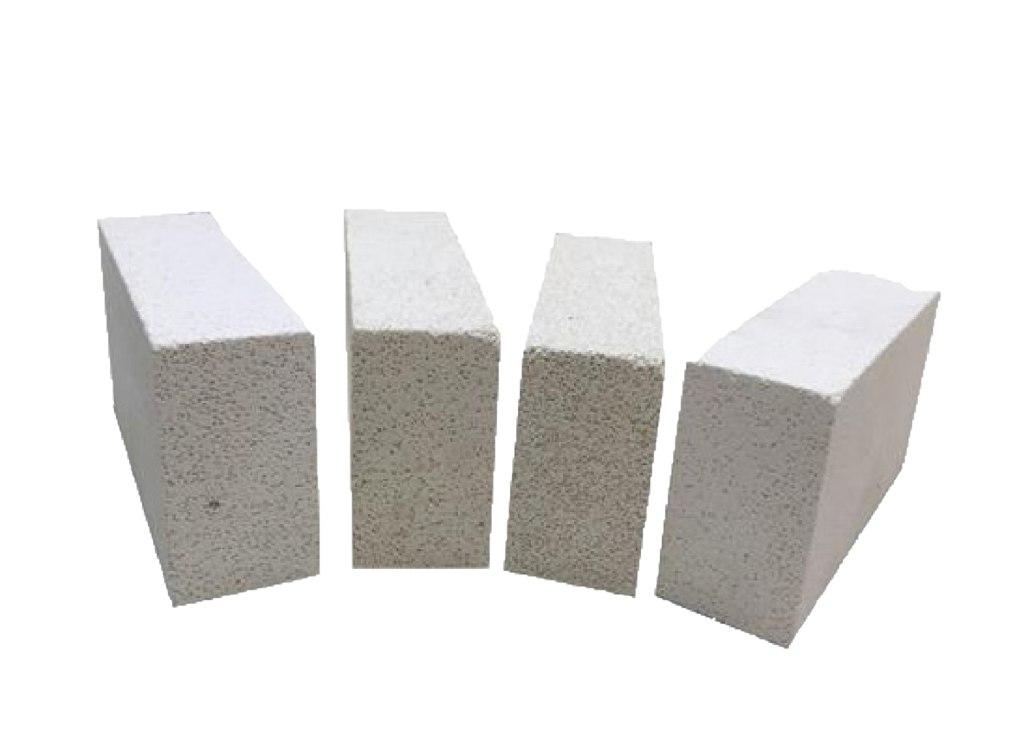
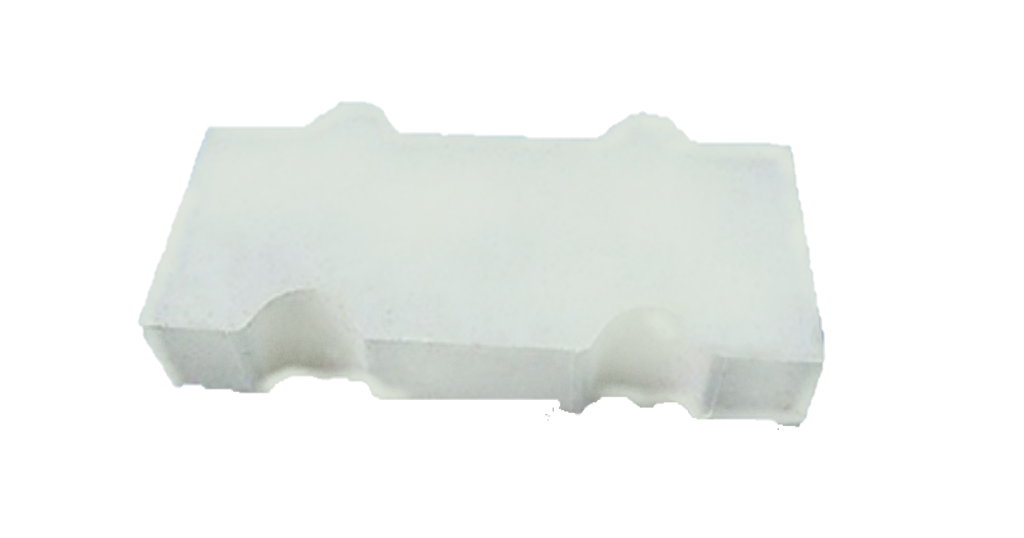
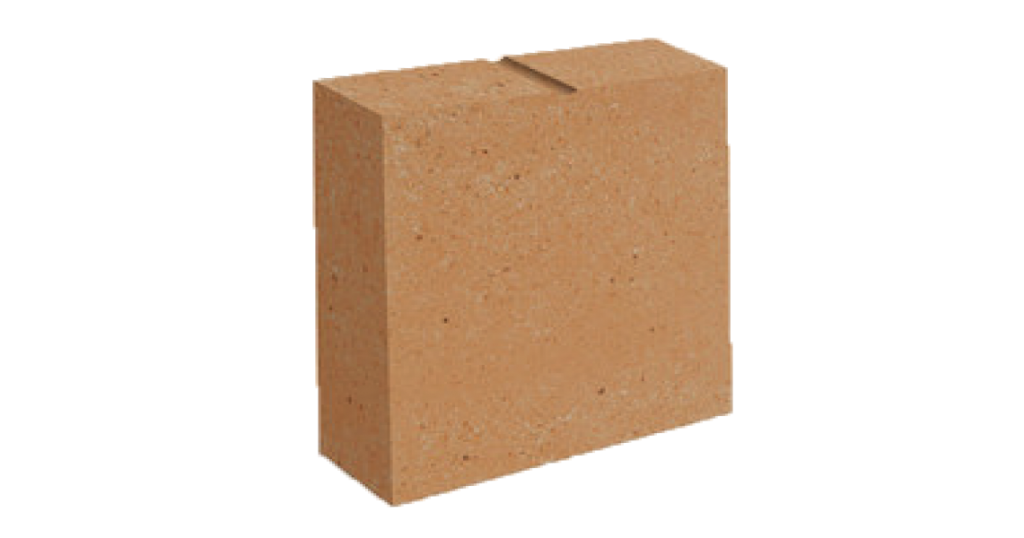
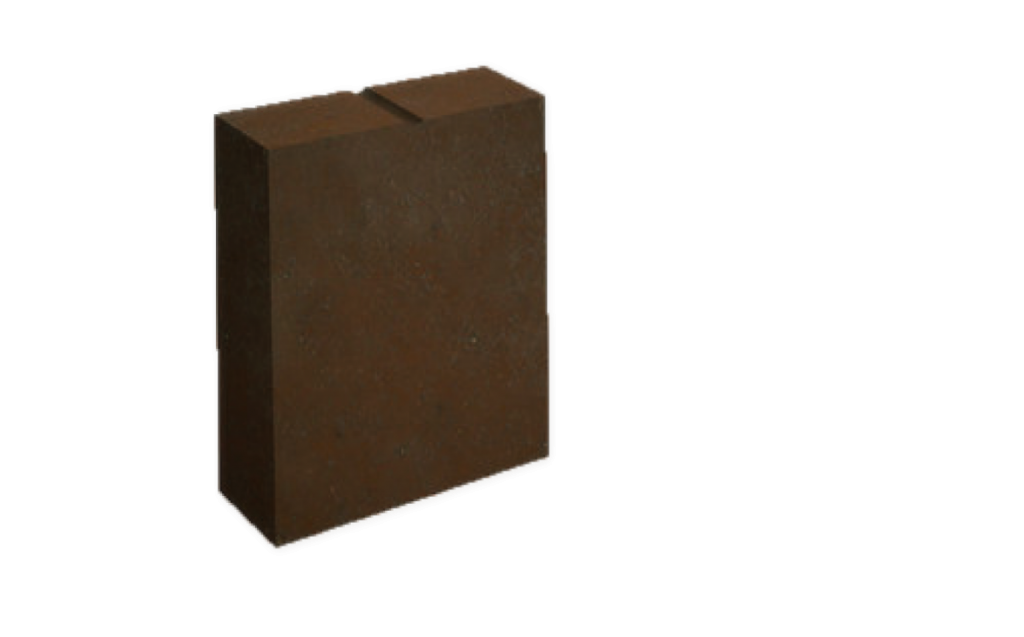
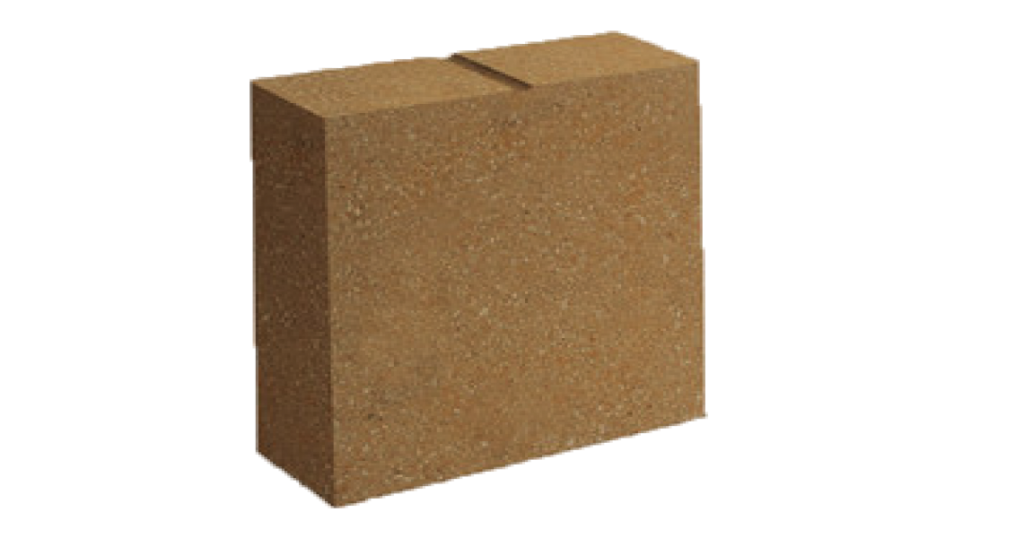
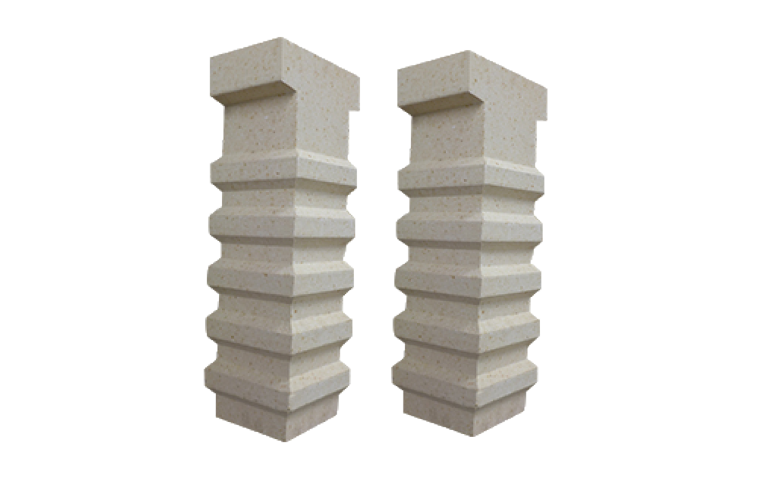
SRUs function to process sulfur contaminants removed from both light and heavy feed stocks,for heavier liquid feeds, this processing normally takes place in refining facilities. In gas operations,the processing typically close to well sites and before shipment OR liquefaction processing.SRU reaction furnaces operate at temperatures ranging from 980C~1650C when oxygen enrichment is used to maximize unit throughput,Refractories used in the SRU include HAB,castables,plastics and non-metallic anchors,as well as technical ceramics in the form of HA ferrules on thermal reactor boiler tubesheets.In order to provide adequate solution to the large variety of licensor specification and customer requirements for HAB for SRU,MCC expanded the product portfolio of HAB+Mullite to total theree different grades [M90,M92,M92 EXTRA]. All three meet the ASTM C16-03 and C832 as demand by licensor.Several installations of M92,M92 Extra made during the last two years are still successfully in service.

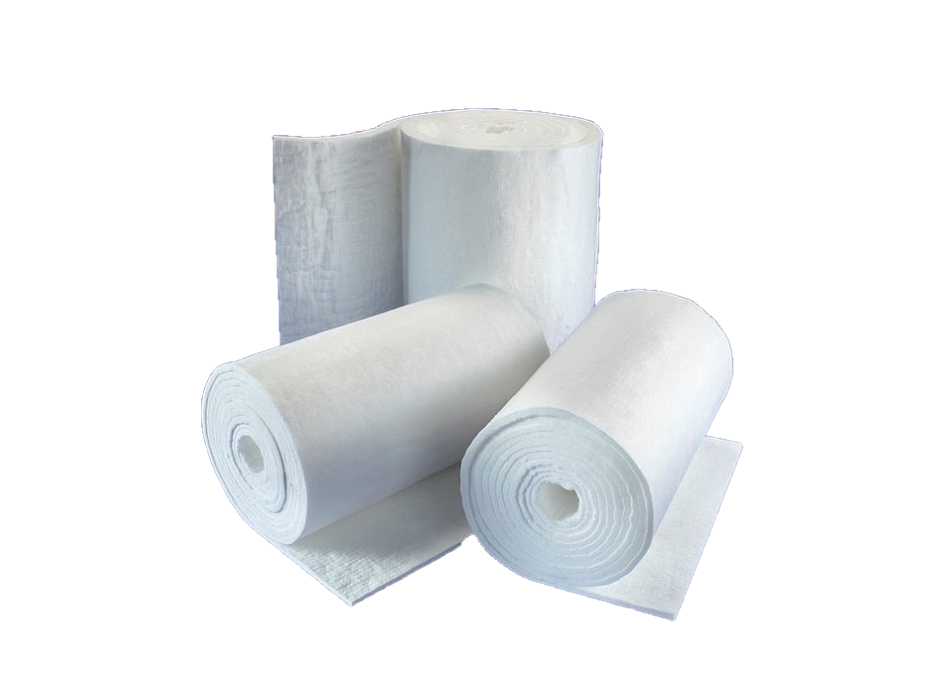
Fired heater usually operate around 815C,the most popular lining system for the Fired heaters are for the sidewalls and ceiling of the radiant section is ceramic fiber. While in the convection section sidewalls normally designed with dual-layer castable lining with a insulating layer of lightweight castable refractory installation.and faced with heavyweight erosion resistance castables.

Modern mostly furnace-black-technology” uses liquid or gaseous hydrocarbon sources for Carbon Black production.
Operating temperatures over 2000 °C, consisting high gas velocities and a sudden cooling down of the process gas mixture by injecting cold water, all put an intensity stresses on common refractory products. MCC achieved using specially developed high-temperature ceramics. Due to different atmospheres and extreme flow rates with changing pressures subject refractory materials to extremely high stresses. We recommend corundum and mullite based material which capable withstand such complex atmosphere.